
Article Sections
Human Mitochondrial DNA Haplogroup M5 is Associated with Type 2 Diabetes Mellitus in South Indian Population: A High-Resolution Case Control Study using Next Generation Sequencing
Loading author information...
Graphical Abstract & Abstract
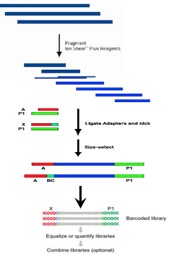
Energy is required for life on Earth, and it is provided by the small organelles of cells called mitochondria, also referred to as the cell's powerhouses. Mitochondrial DNA (mtDNA), which is grouped into several human mtDNA haplogroups, is frequently employed in population genetics to identify individuals or communities based on mutation sites found by comparison with the reference sequence (rCRS). Previous studies in various populations have connected particular mtDNA haplogroups and polymorphisms to a range of human disorders, including Type 2 Diabetes Mellitus (T2DM). In addition, a number of mitochondrial DNA polymorphisms have been connected to elevated reactive oxygen species (ROS) generation and an elevated risk of a number of malignancies, including type 2 diabetes mellitus (T2DM), in the Indian patients.
As a result, we conducted a high-resolution assessment of the mtDNA hypervariable area in our study to trace distinct mtDNA haplogroup connections with type 2 Diab
Keywords
How to Cite
(2023). Human Mitochondrial DNA Haplogroup M5 is Associated with Type 2 Diabetes Mellitus in South Indian Population: A High-Resolution Case Control Study using Next Generation Sequencing. Advanced Materials Letters, 14(2), 2302-1722. https://doi.org/10.5185/amlett.2023.021722